A mobile app for discovering independent businesses nearby. Finding local spots through a map, searching, and favoriting.
- Role
- Product Designer
- Timeline
- Oct 2019 - May 2022
- Skills
- User ResearchUI | UX DesignUsability Testing
Golden Wok Kitchen
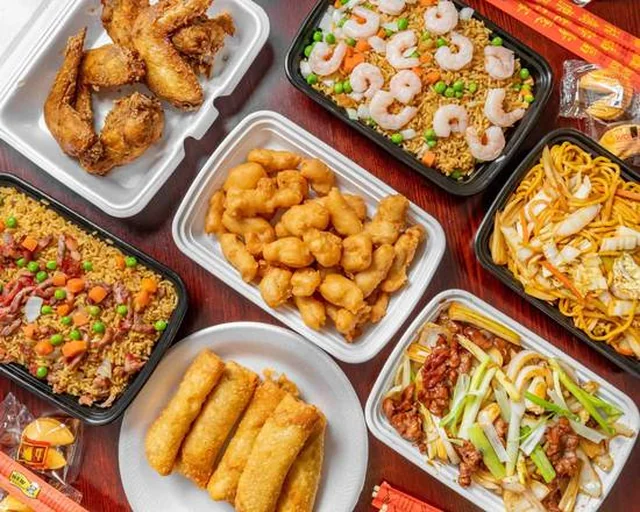
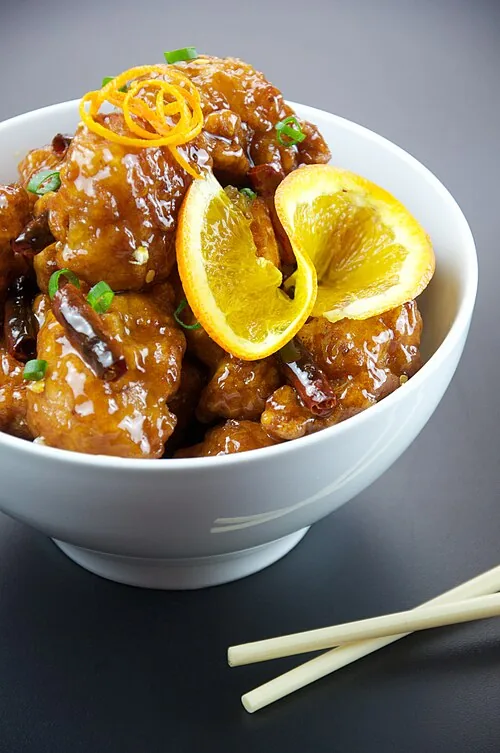
 PopularOrange Chicken
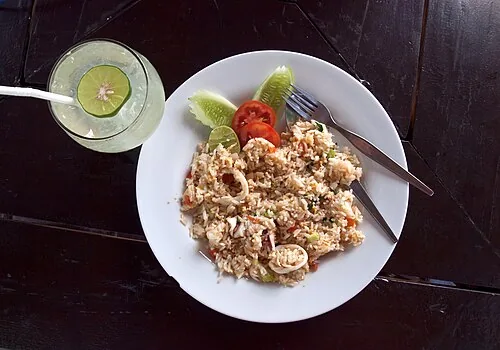 PopularFried Rice
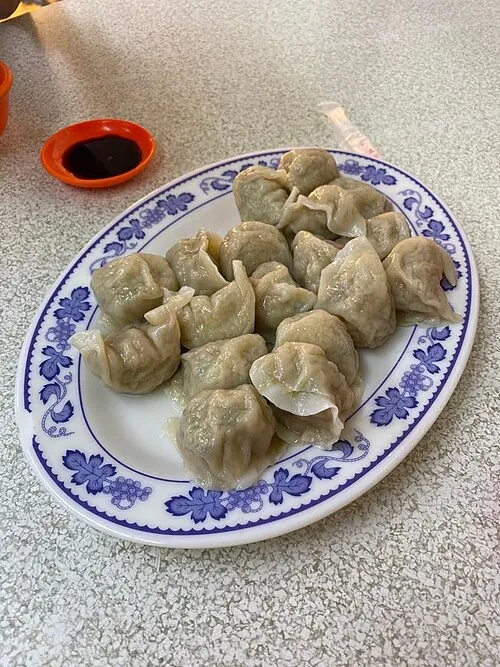
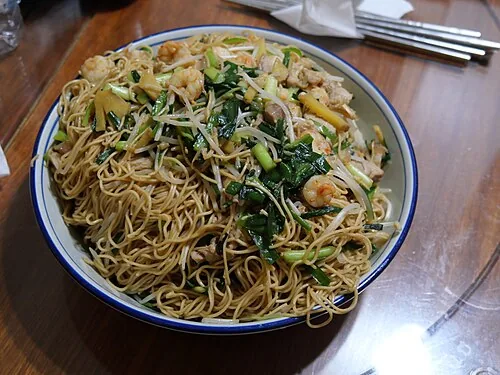 PopularChow MeinPopularPork Dumplings
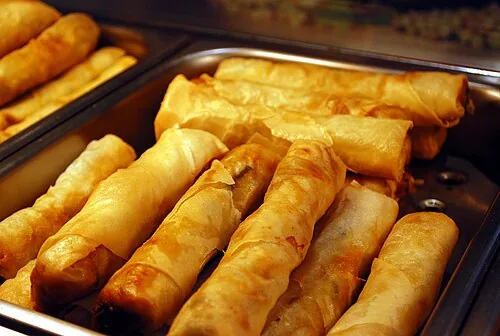 PopularSpring RollsPopularCombo Platter
Saved
1Golden Wok Kitchen
Get two orange chicken plates with fried rice. Dine-in or takeout.
Independent businesses lack the reach of larger brands. They struggle to gain visibility and increase foot traffic due to lack of budgeting and media.
How can we design an experience to bring businesses to the same level of exposure as big competitors?
Glimpse's founding team contracted me to design the discovery side: the map people scan, and the reason they come back.
Research
Alongside the founding team, I interviewed 20 customers and 15 business owners in NYC before development started.
What we learned
- Downtown areas have a high density of local businesses.
- Customers find local businesses by the business type versus name.
- Customers typically return if there are promotions.
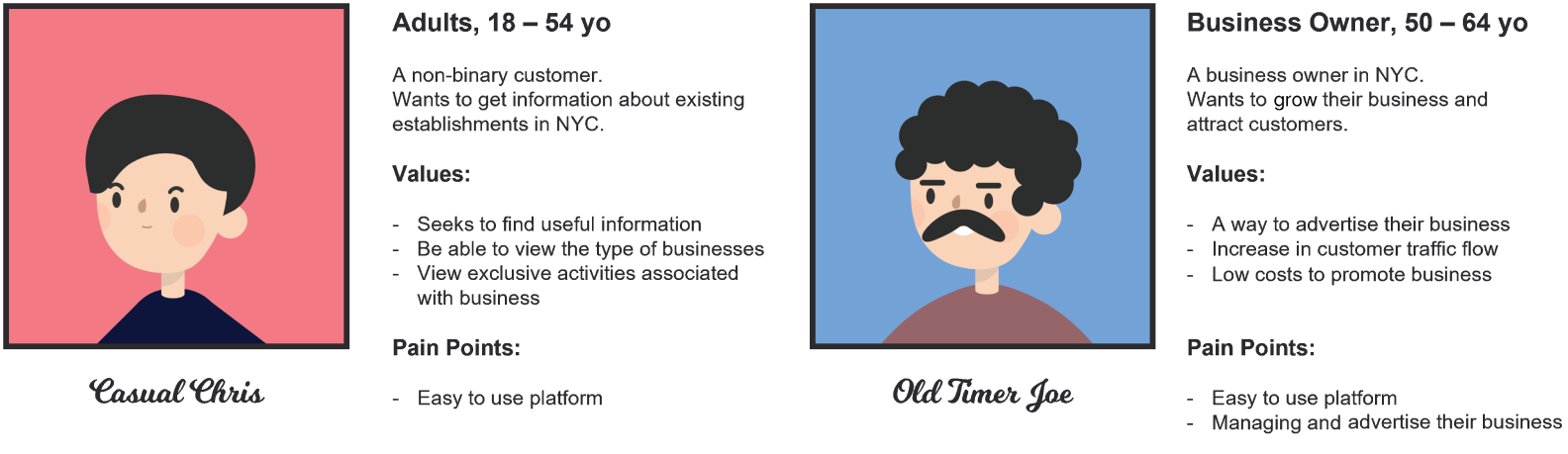
Information architecture
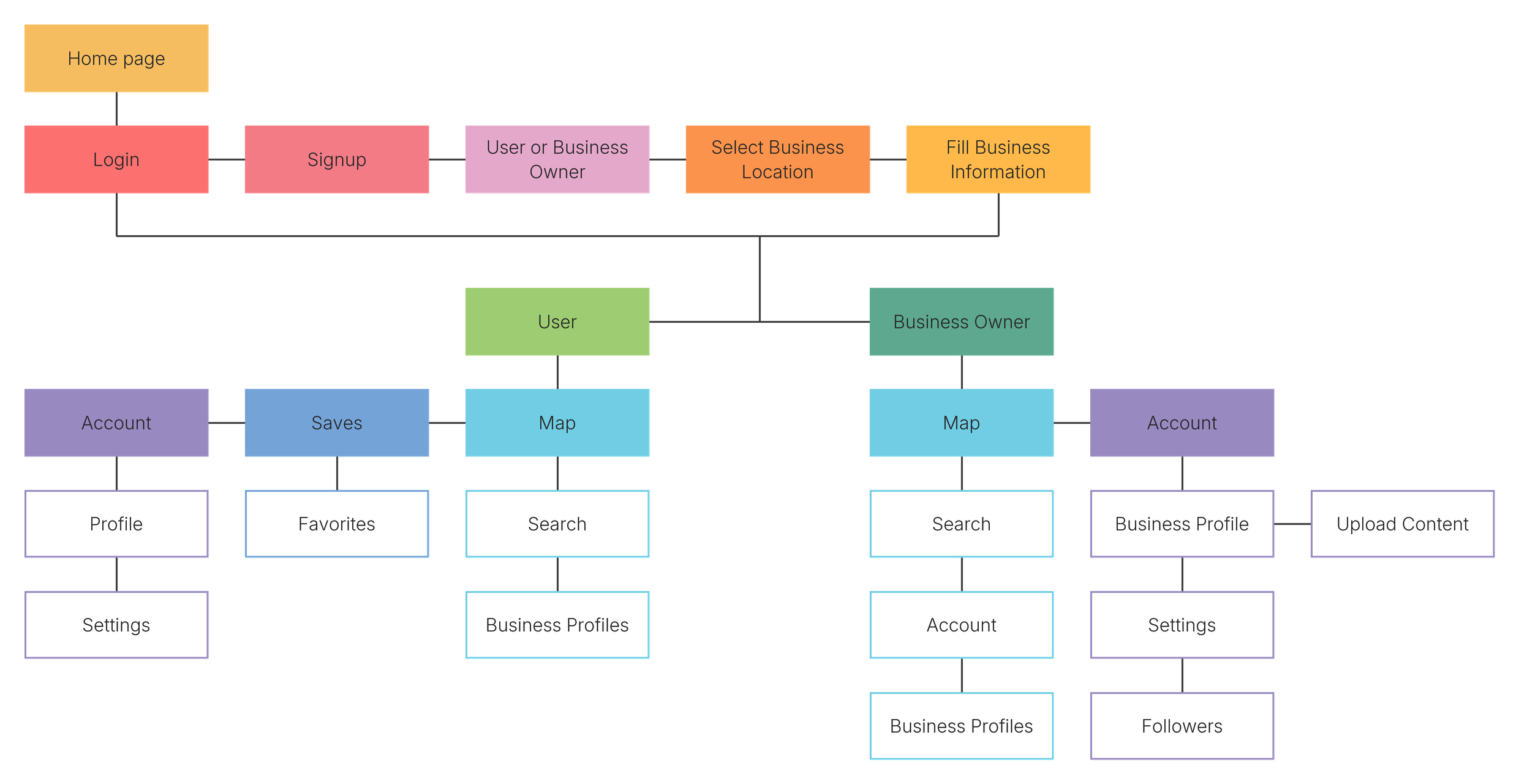
No live user base
Glimpse had not launched, so there was no traffic to test against. Validation came from hallway testing.
Making a crowded map easier to scan
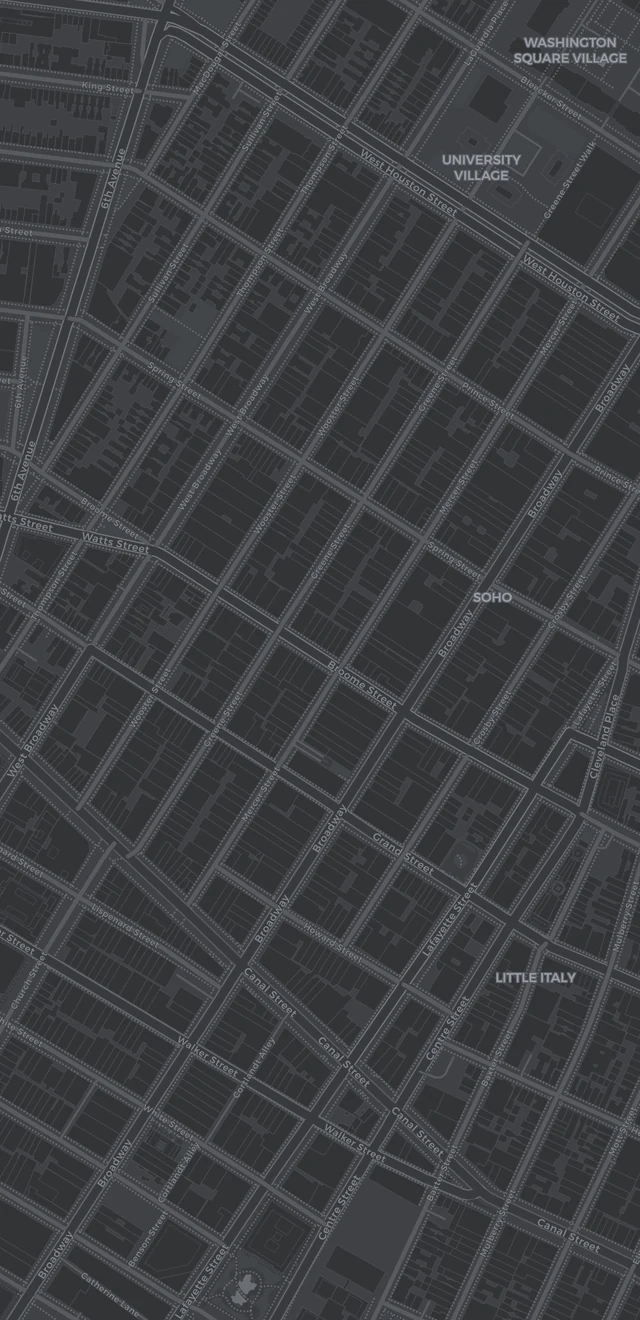
Downtown areas pack dozens of businesses into a small area. I designed eleven business pins, each with its own color and icon: two ways to identify the business type.
In hallway testing, the second way was doing the work. The colors were not.
What should color communicate on a crowded map?
A color for every business type
Eleven business types, eleven pin colors.
- +Type readable from color alone
- +Nothing to group or learn
- −6 of 8 couldn't tell the colors apart when scanning the map
- −Every new type adds another color
Four category colors, icons for type
Food & drink, health & fitness, stay & attractions, shopping & beauty. The icon inside each pin still names the exact type.
- +7 of 8 identified the right category after grouping
- +Fewer colors, clearer hierarchy
- +New types fit existing groups
- −Depends on icons staying recognizable
- −Categories have to be learned once
Colors have to be learned. Icons don't. Four categories carry the pattern across an area, and the icon still answers what the individual pin is.
The category chips double as filters. Selecting one removes the other business types, so narrowing the map and searching it are the same gesture.
Golden Wok Kitchen
PopularOrange ChickenPopularFried RicePopularChow MeinPopularPork DumplingsPopularSpring RollsPopularCombo PlatterHelping businesses bring back customers
Chains stay in front of people with TV spots, billboards, and sponsored posts. Most local businesses can't afford any of that. So before designing how favoriting worked, I had to answer a simpler question: what brings someone back without an ad budget?
What gets you to try a place you’ve never heard of?
- TV spots
- Billboards
- Sponsored posts
- Social media
Why deals
- Every business type uses them.
- Owners already run deals to bring customers back.
- They require no ad budget.
So favoriting a business is designed around deals. Rather than a static bookmark, favoriting subscribes you to that business's updates, and opening a favorited business lands on the Updates tab rather than the menu. That cuts the path to a deal from six steps to four.
Saved
1Golden Wok Kitchen
Get two orange chicken plates with fried rice. Dine-in or takeout.
Favoriting subscribes you to deals
Updates only come from businesses a person chose to favorite, which gives owners reach without paid advertising and keeps notifications opt-in.
Where it landed
My work ended at handoff. The map and favoriting features went to the founding team to build the pilot for Costa Rica, where the CEO's local business connections were.
The most important decisions weren't about individual screens. They were about how the product could help people make decisions: recognizing patterns on the map, narrowing it without leaving it, and giving people a reason to return to places they were interested in.
- 35
- Customers and owners interviewed in NYC
- 11 → 4
- Pin colors after regrouping
- $0
- Cost to an owner for deals as a reach channel
What I took away
Designing for two sides at once
The customer searching and the business being found needed the same screens to work for opposite goals.
Research before development, not after
Interviewing customers and owners before anything was built is what pointed the product at deals instead of at ads.
Utilizing Jakob's Law
Owners already knew how to run a promotion. Favoriting and updates used that instead of teaching something new.
Looking back
Everything here depends on someone favoriting a business, and I designed the loop that follows rather than the path into it. Figuring out how someone gets their first favorite is the part I would take on now.